Singapore Property Investment Guide
Comprehensive insights into Singapore's dynamic property market, combining expert analysis with Ba Zi and Feng Shui wisdom for optimal investment decisions.
Singapore Property Market Overview
Singapore's property market is renowned for its stability, transparency, and strong legal framework, making it a safe haven for international investors.
From luxury condominiums to HDB flats and landed properties, Singapore offers diverse options for every budget and lifestyle preference.
Strong property rights, transparent transactions, and robust legal frameworks protect both local and foreign investors in Singapore.
Singapore stands as Southeast Asia's premier property investment destination, offering a unique combination of political stability, economic prosperity, and world-class infrastructure. The Lion City's property market has demonstrated remarkable resilience through economic cycles, consistently delivering solid returns to investors while maintaining strict quality standards and urban planning excellence.
The Singapore government actively manages the property market through cooling measures and regulations designed to ensure long-term sustainability. While these measures may impact short-term price movements, they contribute to the market's overall stability and attractiveness to serious investors seeking capital preservation and steady appreciation.
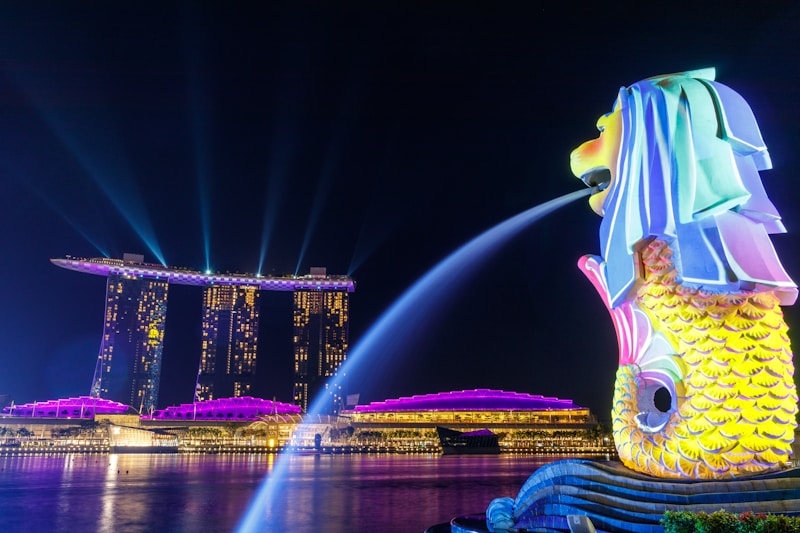
Singapore Property Investment Guide
Key Investment Considerations
- •Cooling Measures: Additional Buyer's Stamp Duty (ABSD) applies to foreign buyers and multiple property owners. Factor these costs into your investment calculations.
- •Freehold vs Leasehold: Freehold properties command premium prices but offer perpetual ownership. 99-year leasehold properties may offer better entry prices and rental yields.
- •Location Factors: Proximity to MRT stations, schools, and amenities significantly impacts property values and rental demand in Singapore.
- •Rental Yields: Expect gross rental yields of 2.5-4% for condominiums, with prime districts typically offering lower yields but stronger capital appreciation potential.
Ba Zi and Feng Shui Considerations
Singapore's property market uniquely integrates traditional Chinese metaphysics with modern investment principles. Many developers and buyers consider Feng Shui factors when selecting properties, influencing both pricing and desirability.
- •Waterfront Properties: Singapore's Marina Bay and Sentosa developments benefit from strong Water element energy, supporting wealth accumulation and career success.
- •Floor Number Preferences: Properties on auspicious floor numbers (particularly 8, 18, 28) command premium prices in Singapore's market.
- •Facing Directions: South and Southeast facing units are highly sought after, aligning with traditional Feng Shui principles for prosperity.
Frequently Asked Questions
Can foreigners buy property in Singapore?
Yes, foreigners can purchase condominiums and apartments without restrictions. However, purchasing landed properties requires approval from the Singapore Land Authority, and certain areas like Sentosa have specific regulations.
What is ABSD and how much is it for foreign buyers?
Additional Buyer's Stamp Duty (ABSD) is a tax on property purchases. As of 2024, foreign buyers pay 60% ABSD on residential properties. This is in addition to the standard Buyer's Stamp Duty (BSD).
What are the best areas to invest in Singapore?
Prime districts (9, 10, 11) including Orchard, River Valley, and Bukit Timah offer prestige and strong capital appreciation. Districts 15 and 16 (East Coast, Marine Parade) provide good rental yields. The Central Business District attracts corporate tenants with stable demand.
How does Feng Shui affect property values in Singapore?
Feng Shui considerations significantly influence Singapore's property market. Units with auspicious floor numbers, favorable facing directions, and good energy flow can command 5-15% premiums. Many developers consult Feng Shui masters during project planning to maximize market appeal.
What is the typical property investment timeline in Singapore?
Most investors hold Singapore properties for 5-10 years to maximize capital appreciation while minimizing seller's stamp duty (SSD). The SSD applies for the first 3 years of ownership, with rates decreasing over time. Long-term holders benefit from Singapore's stable market and consistent appreciation.
Related Articles About Singapore
Retirement Visa Options Across Southeast Asia 2024: Complete Comparison Guide
Compare retirement visas across Thailand, Malaysia, Philippines, Indonesia, Vietnam, Singapore. Analyze eligibility, costs, property ownership, and strategies.
Singapore vs Malaysia Property Investment Comparison 2024: Which Market Offers Better Returns?
Compare Singapore vs Malaysia property markets: entry costs, rental yields, capital appreciation, ABSD impact, MM2H requirements, and optimal investment strategies.
Complete Guide to ABSD in Singapore 2024: Additional Buyer's Stamp Duty Explained
Navigate Singapore's ABSD with expert analysis of rates, calculation methods, remission scenarios, and optimization strategies for citizens, PRs, and foreigners.