Indonesia Property Investment Guide
Comprehensive insights into Indonesia's emerging property market, from Bali's tropical paradise to Jakarta's booming CBD, enhanced with Ba Zi and Feng Shui wisdom.
Indonesia Property Market Overview
Southeast Asia's largest economy with 270+ million population creates exceptional domestic demand and long-term growth potential for property investors.
From Bali's beachfront villas to Jakarta's luxury high-rises and emerging secondary cities, Indonesia offers property opportunities across multiple market segments.
Recent regulatory reforms have simplified foreign property ownership, particularly for villas and condominiums, opening new opportunities for international investors.
Indonesia represents Southeast Asia's sleeping giant for property investment, combining the region's largest population, abundant natural resources, and rapidly growing middle class. The archipelago nation offers distinct investment opportunities across its major markets, with Bali leading in tourism-driven luxury villas, Jakarta dominating in corporate and expat rentals, and emerging cities like Surabaya and Bandung providing affordable entry points.
Recent regulatory reforms under the Omnibus Law have streamlined foreign property ownership, allowing longer lease terms and clearer ownership structures. While challenges remain including bureaucracy and infrastructure gaps, Indonesia's demographic dividend, urbanization trends, and government infrastructure investments create compelling long-term fundamentals for patient investors willing to navigate the market's complexities.
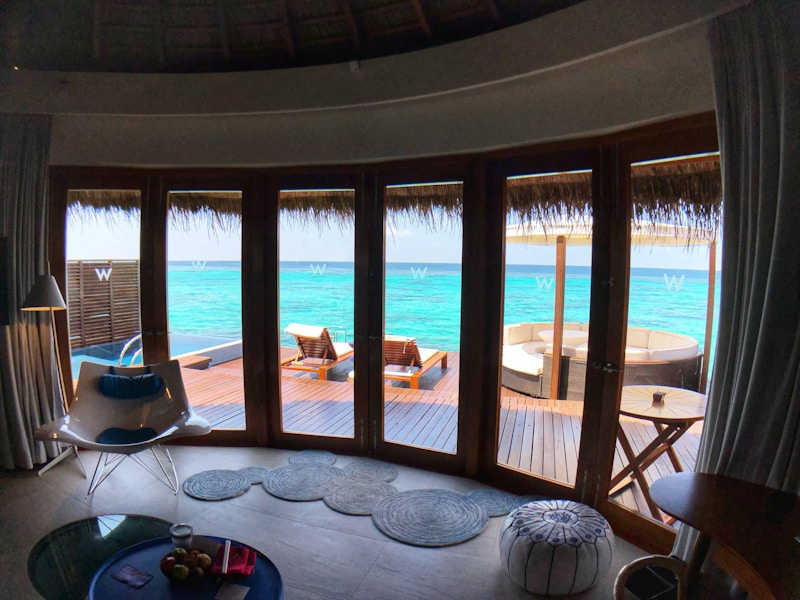
Indonesia Property Investment Guide
Key Investment Considerations
- •Foreign Ownership: Foreigners can own apartments/condos with Hak Pakai (Right to Use) title for 30 years, renewable. Villas require leasehold (25-30 years) or Indonesian company structure (PT PMA).
- •Transaction Costs: Budget 10-12% for notary fees, BPHTB tax (5%), and agent commissions. Costs are higher than neighboring markets.
- •Rental Yields: Jakarta SCBD condos offer 6-8% gross yields, while Bali villas can achieve 8-12% with vacation rental management.
- •Currency Risk: Indonesian Rupiah volatility requires hedging strategies. Consider USD-denominated leases for foreign tenants.
Ba Zi and Feng Shui Considerations
Indonesia's tropical island geography and coastal developments create powerful Water element energy throughout the archipelago. The country's volcanic mountains provide protective Earth element backing, creating balanced Feng Shui environments for property investment.
- •Bali Beachfront Energy: Ocean-facing villas harness powerful Water element for wealth and prosperity, ideal for Metal and Water Kua numbers.
- •Jakarta SCBD Metal Element: The financial district's modern high-rises embody Metal element energy, supporting career success and authority.
- •Mountain-Backed Properties: Developments with volcanic mountain views benefit from protective Earth element, providing stability and grounding.
Frequently Asked Questions
Can foreigners buy property in Indonesia?
Yes, foreigners can purchase apartments and condominiums with Hak Pakai (Right to Use) title for 30 years, renewable for another 20 years. For villas and land, foreigners typically use long-term leases (25-30 years) or establish an Indonesian company (PT PMA) for ownership.
What are the best areas to invest in Indonesia?
Bali's Seminyak, Canggu, and Nusa Dua offer strong vacation rental demand. Jakarta's SCBD and Sudirman districts attract expat professionals with high rental yields. Emerging cities like Surabaya and Bandung provide affordable entry points with growing middle-class demand.
What are typical rental yields in Indonesia?
Jakarta SCBD luxury condos typically yield 6-8% gross annually. Bali vacation villas can achieve 8-12% gross yields with professional management, though seasonal variations apply. Emerging cities offer 7-10% yields with lower entry prices but less liquidity.
How does Feng Shui influence Indonesian property market?
Feng Shui significantly impacts Indonesian property values, particularly among Chinese-Indonesian buyers who represent substantial purchasing power. Beachfront and riverside properties with Water element energy command premiums. Properties with mountain backing and auspicious floor numbers (8, 18, 28) sell faster and at higher prices.
What are the risks of investing in Indonesian property?
Key risks include currency volatility (IDR depreciation), regulatory changes, bureaucratic complexity, and infrastructure gaps outside major cities. Legal due diligence is critical, especially for land and villa purchases. Work with experienced local legal counsel and consider long-term investment horizons to navigate market cycles.